


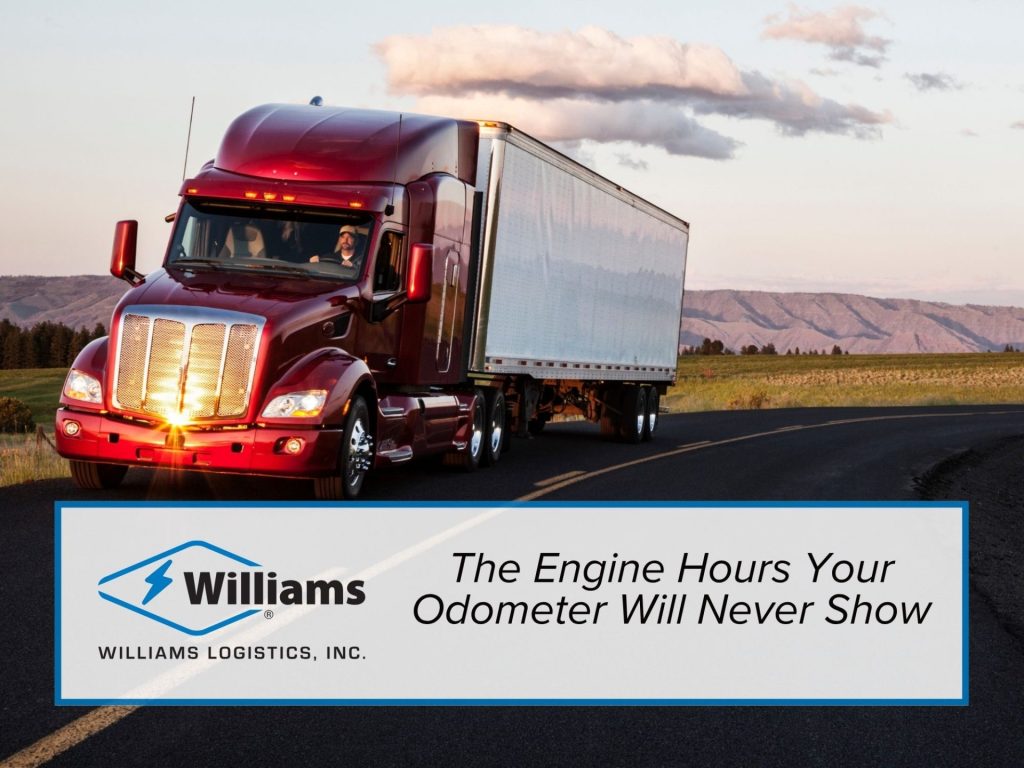
The miles on your odometer tell one part of the story. Your engine hours tell another. And for a lot of drivers, the gap between those two numbers grows most during winter, one cold morning at a time.
Every time you start the truck on a cold morning and let it run while the cab warms up, you are adding to your engine hour count. Those hours do not show on the odometer. They do not get counted in your mileage logs. But they show up in the engine’s service history — and they carry real weight when it comes to wear, maintenance intervals, and resale value.
Why the Warm-Up Takes as Long as It Does
Diesel cab heaters are coolant-based. The engine heats the coolant, the coolant circulates through a heater core, and the blower pushes warm air into the cab. Until the coolant reaches operating temperature, the heater has nothing to work with — which is why the air blows cold for the first several minutes no matter how high you set the dial. The defroster works the same way.
On a cold morning, that process takes time, and the instinct to just let it run until the cab is warm is a reasonable one. The problem is not the warm-up itself. It is what happens to the engine during it.
What Idle Hours Actually Do to the Engine
A diesel engine is built to run under load. At idle, it runs at low RPM with almost no resistance working against it. In that condition, combustion is incomplete — fuel does not fully burn, and carbon residue builds up in the engine over time in ways that do not happen at road speed.
That matters beyond the warm-up itself. Buyers of used trucks look at engine hours separately from mileage. A truck with a high ratio of idle hours to road miles has more wear than the odometer suggests. For an owner-operator, those cold-morning habits over several winters can quietly affect the number you are able to ask for when it is time to move on.
What You Can Do About It
The goal is not to skip the warm-up — it is to shorten it, and there are two ways to approach that depending on what you have access to.
The first is a block heater or coolant pre-heater. It plugs into shore power overnight and keeps the coolant warm so the engine starts close to operating temperature rather than cold. The cab heats up faster, cold-start stress on the engine is reduced, and the time you sit idling before you can comfortably pull out drops significantly. Many truck stops offer shore power hookups for exactly this reason.
The second takes a different approach entirely. A diesel-fired cab heater — Espar and Webasto are the most common brands — warms the cab independently of the main engine. It burns a small amount of diesel fuel to heat the interior, which means you can step into a warm cab and get moving without running the engine first. It does not pre-warm the engine the way a block heater does, but it removes the cab comfort reason for the idle altogether.